We consistently see Boise roofs taking a brutal beating from our region’s unique climate extremes.
The Treasure Valley swings from freezing winter ice dams to high-desert summer heat in just a few months. Spring thunderstorms frequently push 70 mph Chinook winds through the mountain passes.
Our daily inspections reveal that most standard materials fail prematurely under these specific pressures. Determining The Best Roofing Material for Boise is one of the most important decisions you will make before a full roof replacement — the right choice depends on whether your neighborhood is more vulnerable to straight-line winds or golf ball-sized spring hail.
Let’s review the actual 2026 data on local material performance and explore the smartest choices for your specific property.
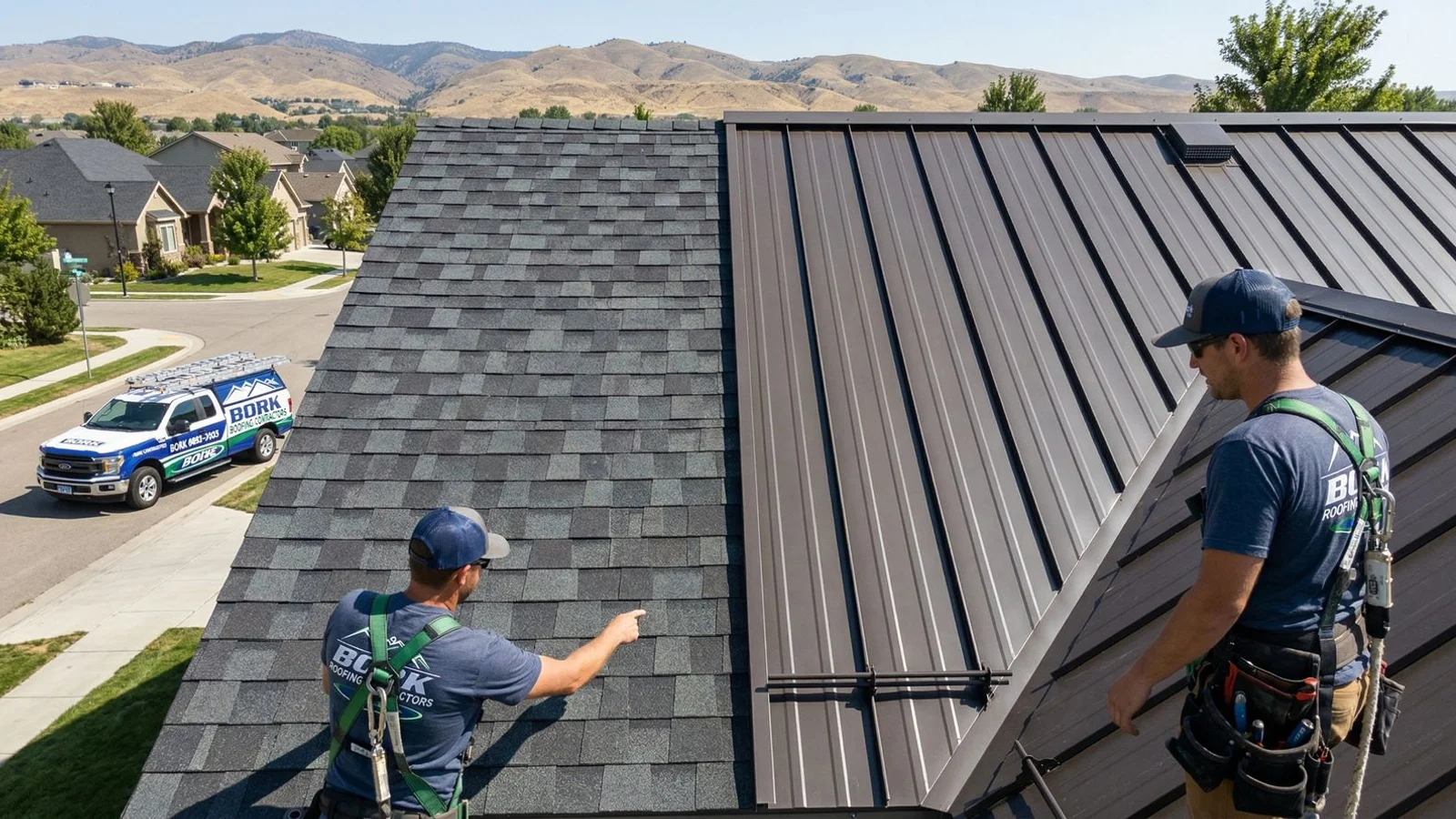
The Big Three: Asphalt, Metal, and Composite
We categorize the top local options into three main material types.
Each category carries distinct pricing and performance benefits. The right choice always balances your budget with your long-term property goals.
Architectural Asphalt Shingles
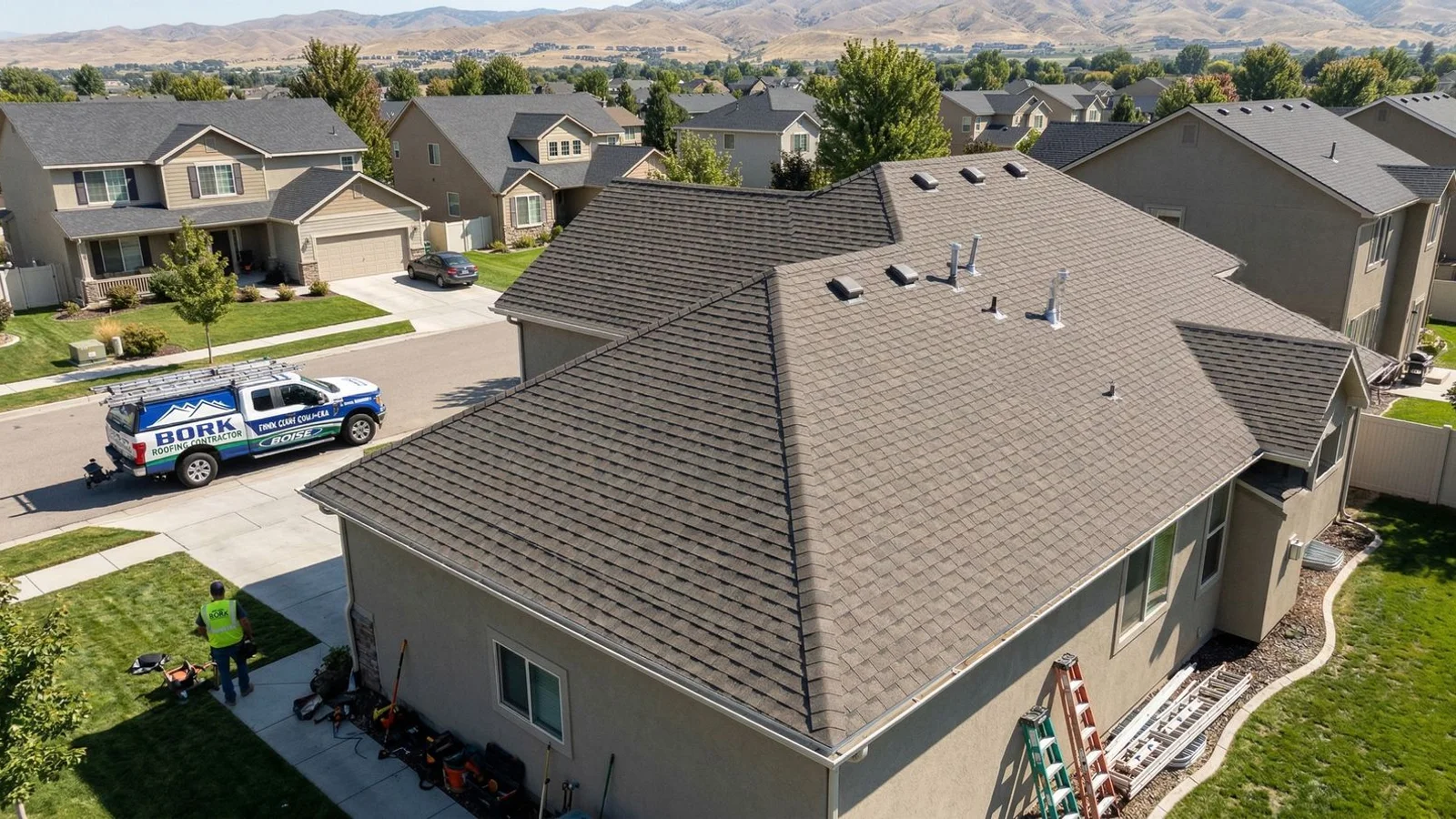
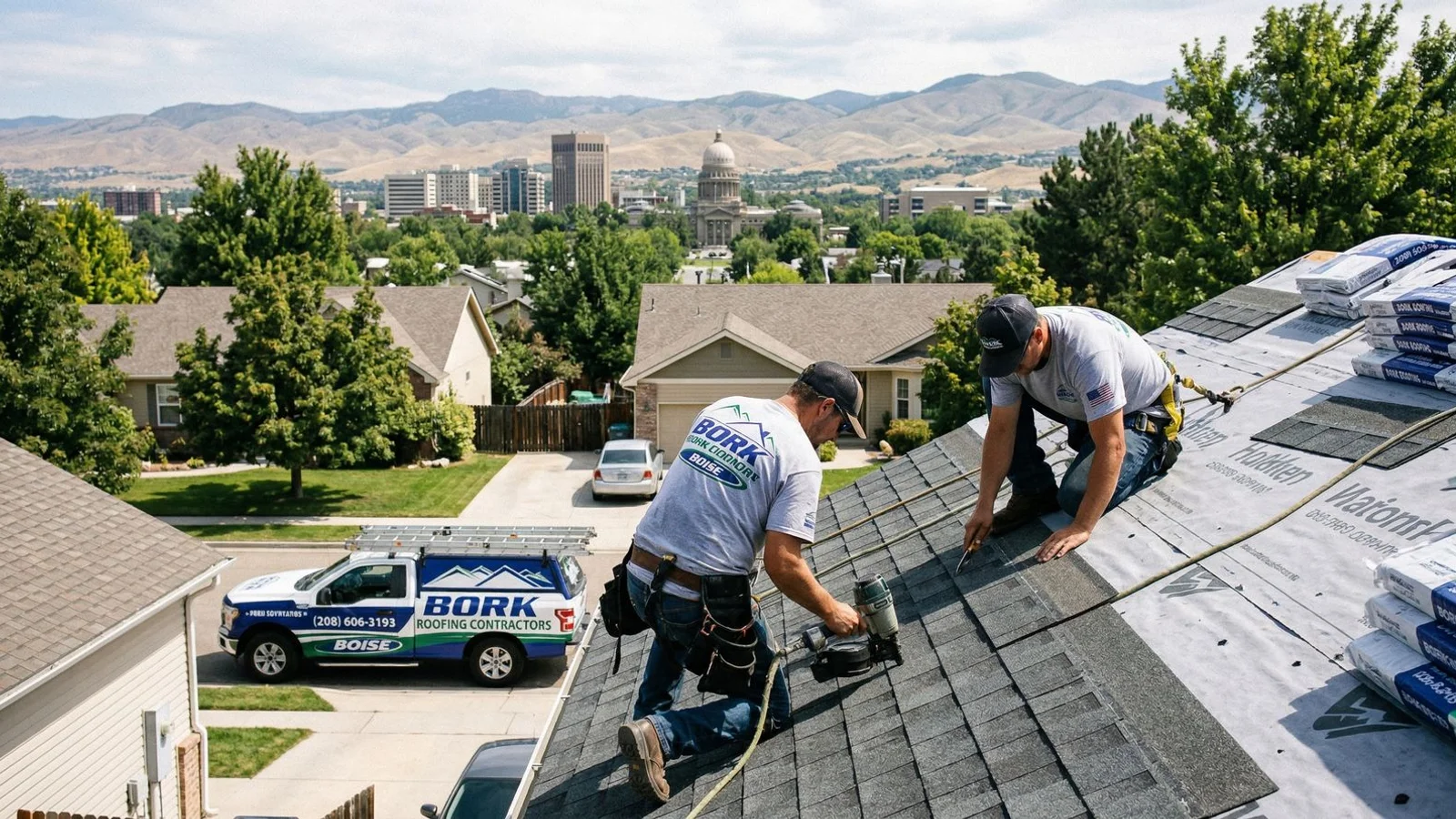
Our installation crews work with asphalt on roughly 80% of residential homes across the valley. Modern architectural shingles offer a fantastic blend of durability and upfront value.
Current 2026 pricing across the Treasure Valley places standard architectural asphalt installation between $4.00 and $8.00 per square foot.
We highly recommend products like Owens Corning Duration for windy local climates. These specific shingles feature proprietary SureNail Technology built directly into the mat.
This embedded woven fabric strip provides 30% better nail pull-through resistance. Our local weather demands that guaranteed 130 mph wind rating straight out of the box.
You get maximum wind defense without paying extra for specialized installation methods. Asphalt handles the local climate beautifully when installed by certified professionals.
Standing Seam Metal
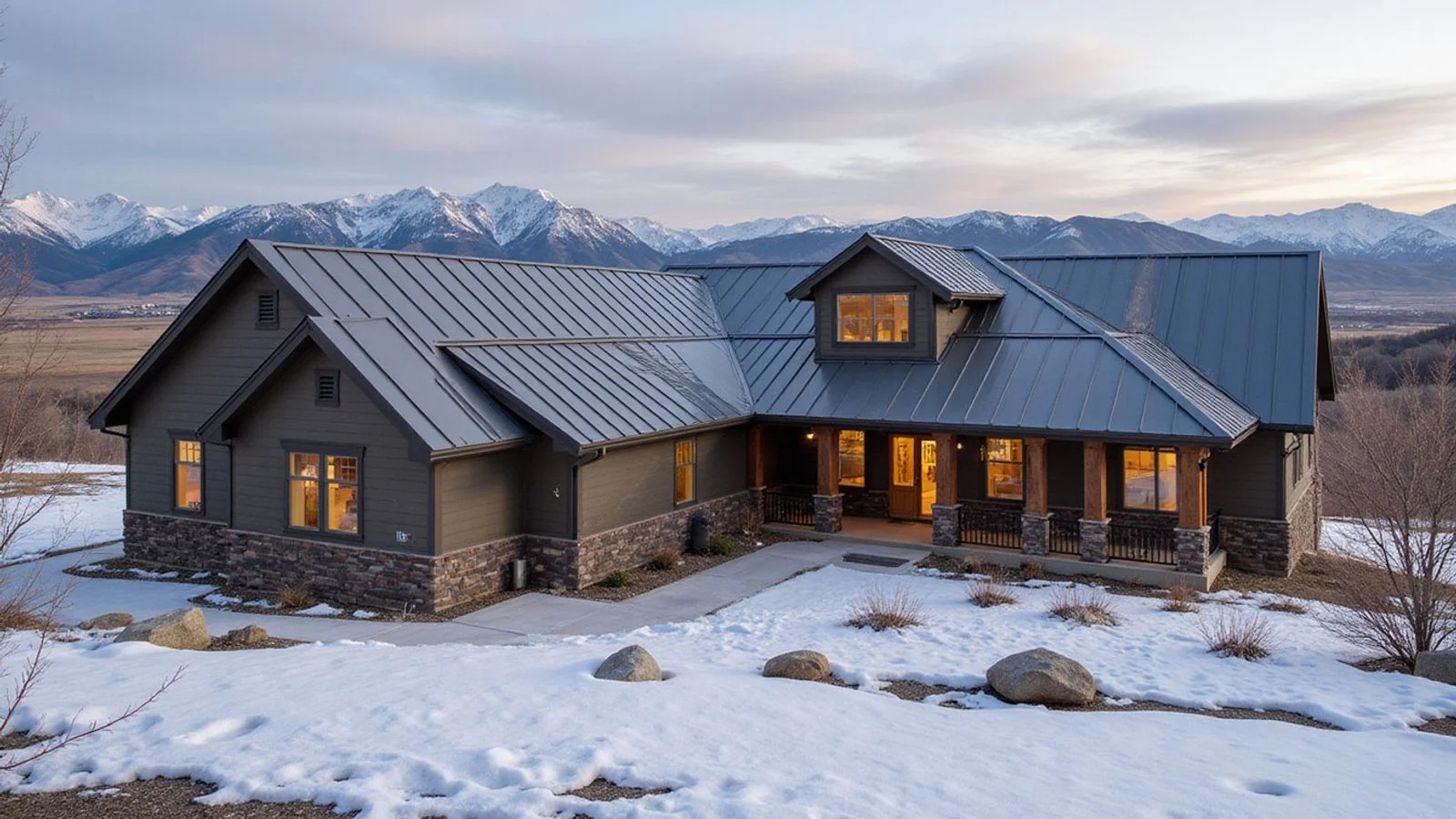
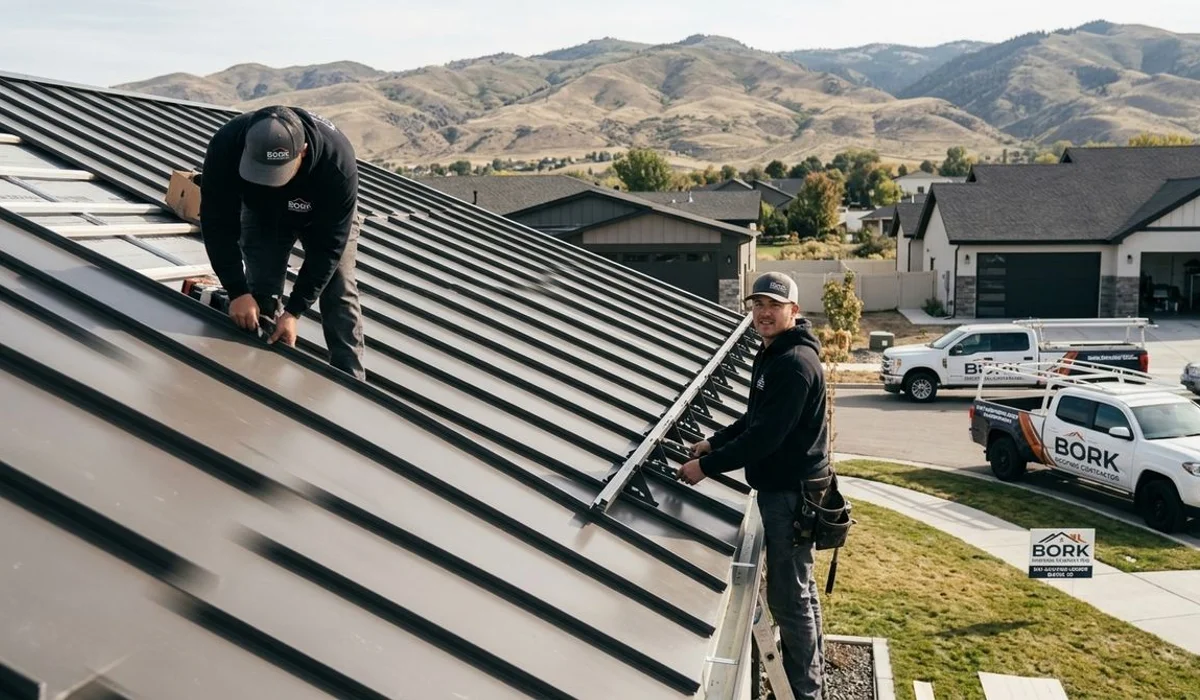
We often install metal systems for homeowners prioritizing extreme longevity. Standing seam roofs routinely last 40 to 70 years with minimal maintenance.
Average pricing currently runs between $5.00 and $14.00 per square foot based on the specific gauge and finish. Our standard recommendation is 24-gauge steel for optimal dent resistance against heavy hail.
Metal easily sheds heavy winter snow. This shedding capability makes it highly desirable for steep lots in the Foothills.
Composite and Synthetic Options
We see a growing preference for synthetic roofing in luxury subdivisions. Brands like DaVinci Roofscapes manufacture polymer shingles modeled directly from actual slate and hand-split cedar.
The visual appeal matches natural materials flawlessly. Our clients love that these composites carry a Class A Fire Rating.
They also boast a Class 4 Impact Rating to survive direct hits from heavy hail. A 50-year manufacturer warranty provides serious peace of mind for high-end properties in the North End or Eagle.
Matching Material to Your Neighborhood
We match every material recommendation to the exact micro-climate of your street. Different areas of the city face completely different primary threats. The table below breaks down the optimal choices by area.
| Boise Neighborhood | Primary Weather Threat | Top Material Recommendation |
|---|---|---|
| Boise Bench & Harris Ranch | Frequent spring hail and high winds | Class 4 Impact-Resistant Asphalt or Stone-Coated Steel |
| Historic North End | Aesthetic preservation requirements | Weathered-Wood Asphalt or Composite Cedar Shake |
| Eagle & Hidden Springs | Heavy snow loads and steep pitches | Standing Seam Metal (24-gauge) |
| Meridian & Nampa | Standard weathering and UV exposure | Architectural Asphalt (best cost-to-performance) |
| Downtown Commercial | Flat surfaces prone to water ponding | TPO or Modified Bitumen Membranes |
Our localized data makes choosing the right product much simpler. Review your specific location to see the standard industry recommendation. A smart choice now prevents thousands in future storm repairs.
The Reality of High-Desert UV Exposure
We always warn clients about the silent damage caused by Idaho sunshine. The high-desert UV index cooks roofing materials relentlessly from June through September.
Asphalt shingles sitting in full-sun south exposures often lose their protective granules up to 20% faster than shaded sections. Our repair calls spike when this continuous heat bakes the flexibility right out of older roofs.
Protection requires a proactive approach to material selection. You have two excellent options for fighting solar degradation.
- We highly recommend checking the Cool Roof Rating Council database for lighter, reflective colors.
- Metal systems offer an excellent upgrade where any eventual color fade is strictly cosmetic.
- The underlying structural integrity of steel remains completely unaffected by the sun.
Preventing Ice Dams with Proper Ventilation
Our crews spend a significant portion of the winter fixing damage caused by poor attic breathing. Asphalt, metal, and composite systems all handle freeze-thaw cycles effectively if the underlying deck stays cold.
A warm roof deck melts the bottom layer of snow, which then refreezes at the colder eaves to create destructive ice dams.
We strictly follow the federal 1/300 rule for ventilation on every single project.
This building standard requires one square foot of net free ventilation area for every 300 square feet of attic floor space. You must perfectly balance the intake air at the soffits with the exhaust air at the ridge.
Our comprehensive installation process always includes a full ventilation upgrade. Pushing cool air under the deck is the only permanent way to stop ice dams from forming.
A balanced system also drastically lowers your summer cooling bills.
The Verdict
We consider architectural asphalt the absolute best value for the average local homeowner. Properties in heavy hail zones should definitely upgrade to a Class 4 impact rating.
Steep Foothills lots dealing with heavy snow loads benefit immensely from standing seam metal.
Our final piece of advice always comes down to the craftsmanship behind the product. A standard shingle installed with absolute precision easily outlasts a premium product installed by someone cutting corners.
Call Bork Roofing at (208) 545-8226 for a free 21-point inspection and a written material recommendation for your specific home.