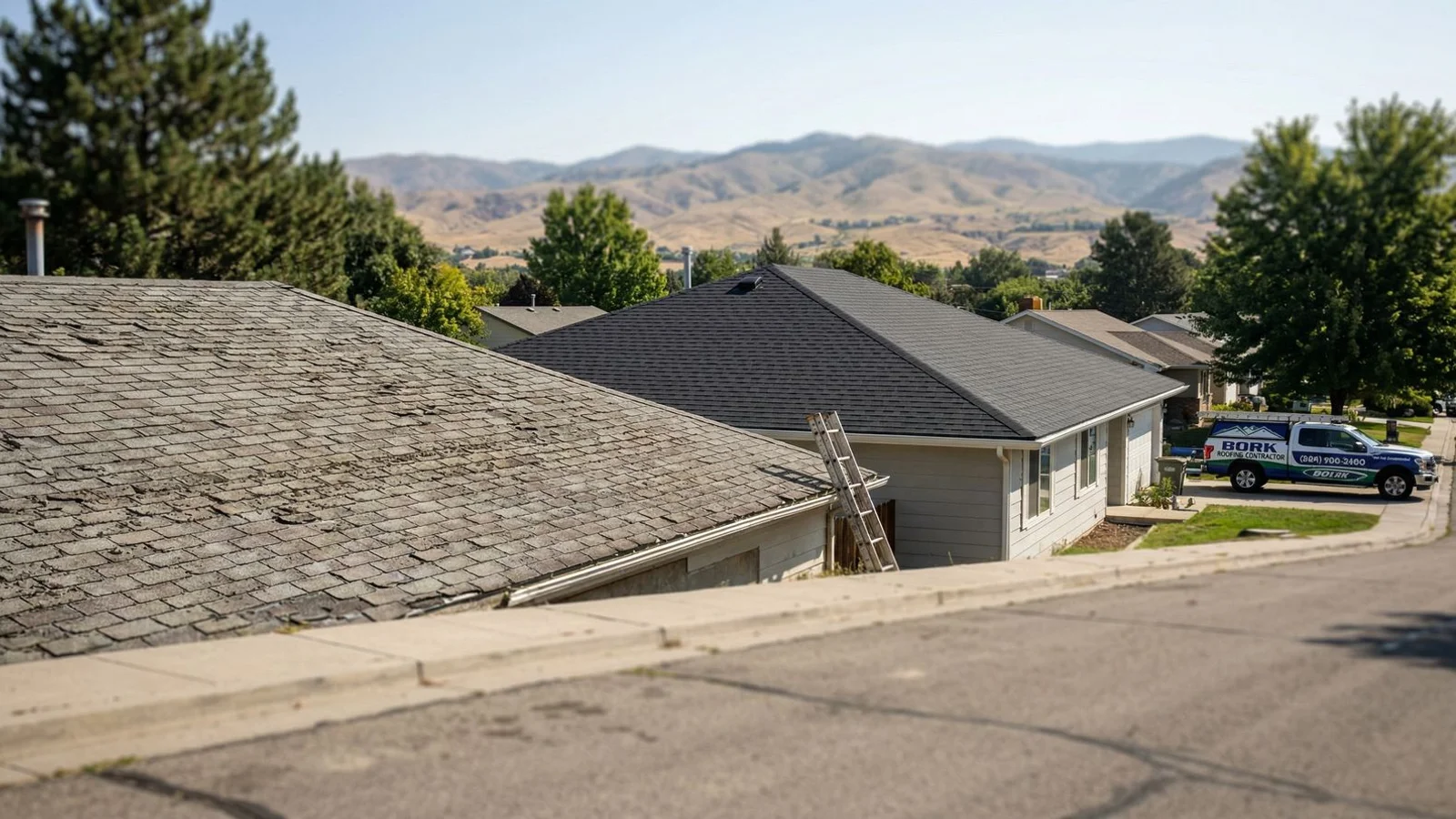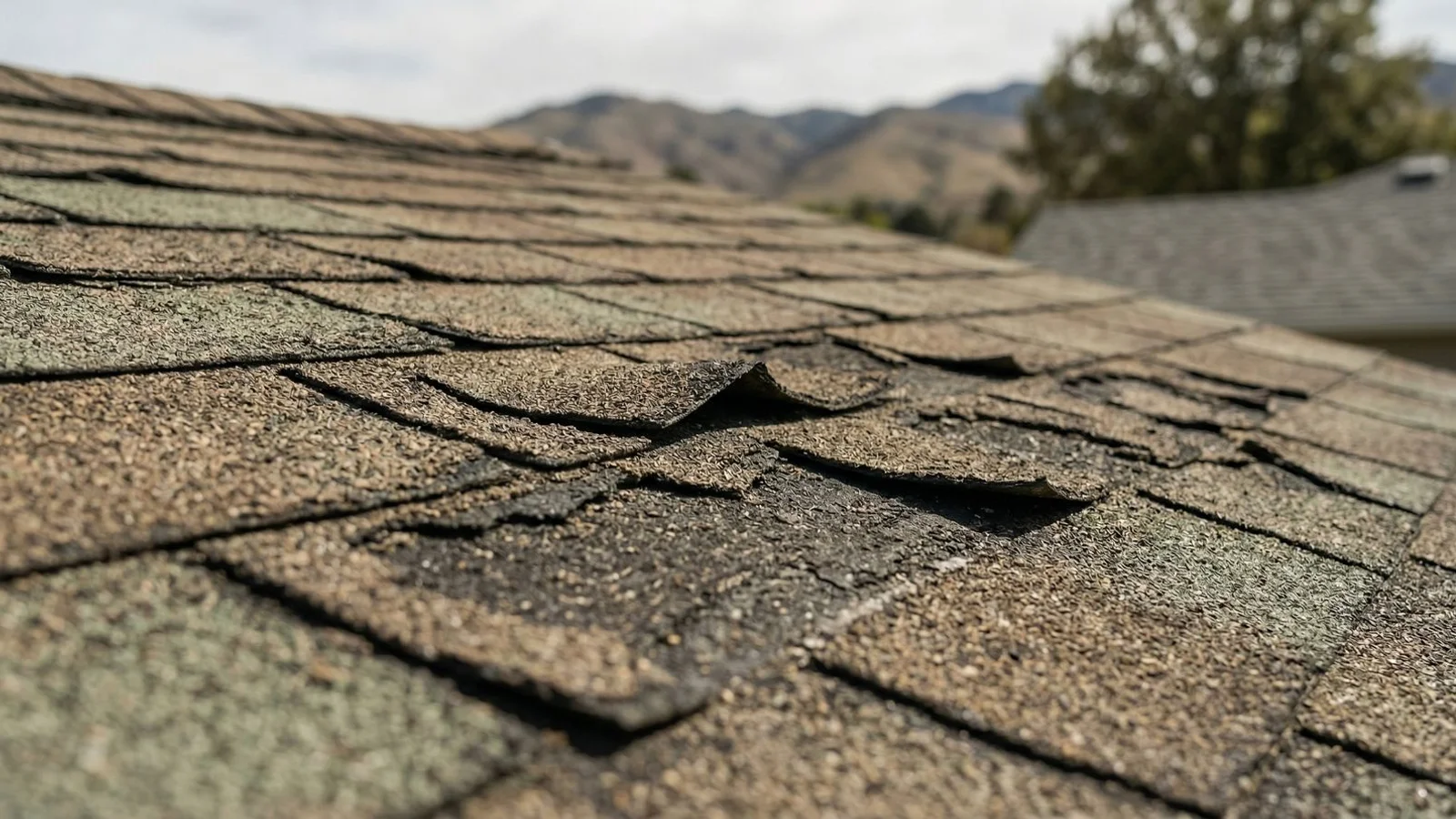
Homeowners almost always assume a ceiling water stain means their main shingles have completely failed. Many people assume they need a massive tear-off and replacement. Our team gets these panic calls every spring after a heavy Boise rainstorm.
Properly functioning flashing acts as the primary defense system for your home.
The reality is far more localized. We have documented this exact pattern while inspecting thousands of Treasure Valley roofs over the years.
These localized failures are exactly what causes roughly 80% of all residential leaks — and they are usually solved with a targeted roof repair, not a full tear-off. Let’s break down Why Flashing Failures Cause Most Boise Roof Leaks (And How We Fix Them). Our goal is to help you avoid wasting money on temporary patches.
This guide will outline the specific steps required for a permanent fix.
What Flashing Actually Is
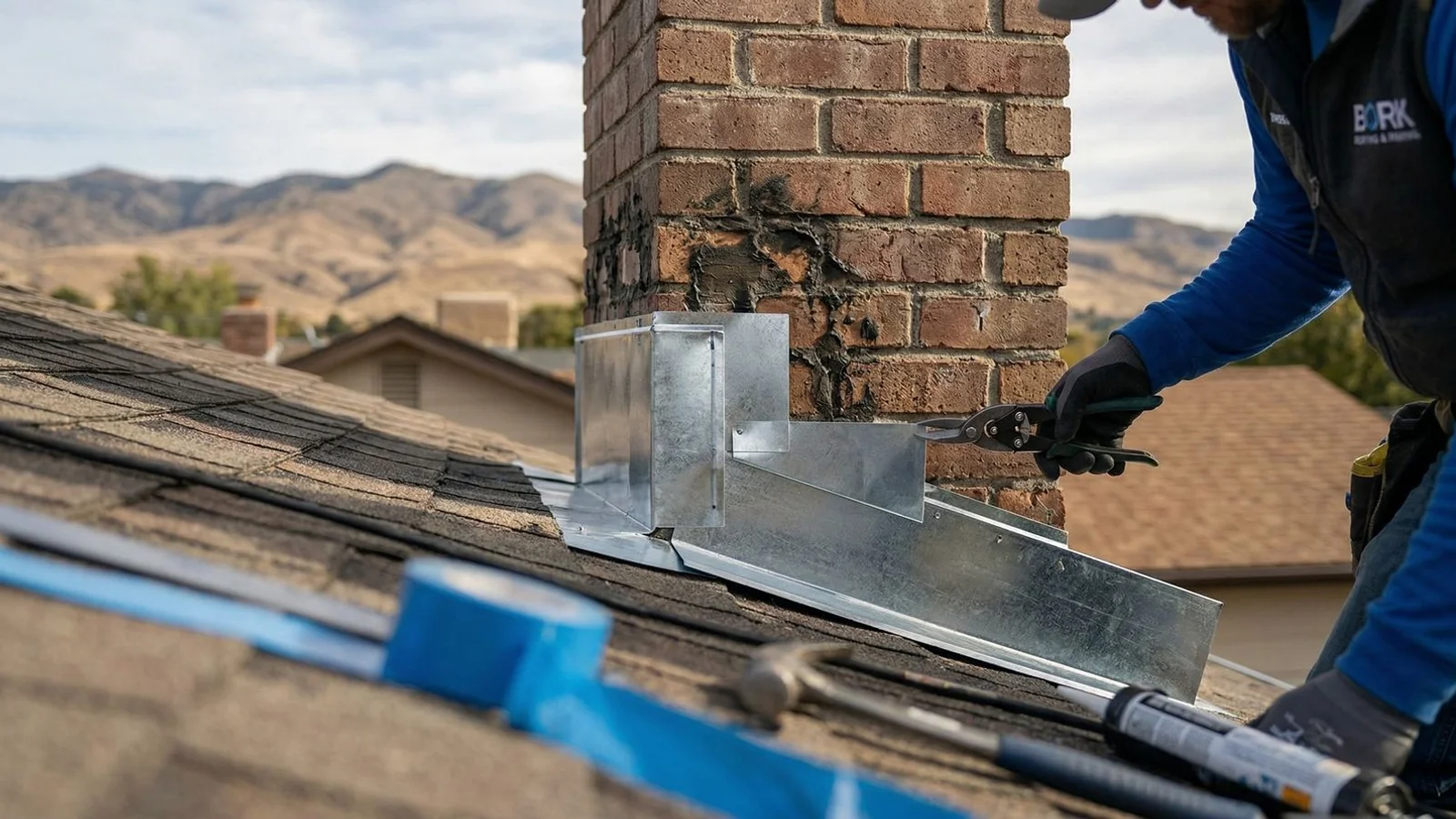
Flashing is the protective sheet metal that seals the transitions where a sloped roof meets a vertical surface. Our crews rely on these custom-bent metals to direct water safely around chimneys and into the gutters.
Standard options typically include 26-gauge galvanized steel, aluminum, or premium copper. Shingles are designed exclusively to shed water on a flat plane. We constantly see structural damage in homes where this crucial transition barrier is missing or damaged.
They simply cannot bend 90 degrees to seal a three-dimensional intersection. Without this continuous metal barrier, water would immediately pour directly into the plywood decking below. Our experience shows this specific vulnerability is exactly why preventative maintenance is so crucial.
Why Flashing Failures Cause Most Boise Roof Leaks (And How We Fix Them)
There are three main reasons these metal joints fail long before the main field of shingles. The Intermountain West climate creates a unique set of challenges for exterior building materials. We frequently replace metal sections that are only a decade old.
Freeze-Thaw Movement
Boise winters constantly cycle between 20-degree nights and 45-degree days. This dramatic temperature swing forces metal, masonry, and roofing materials to rapidly expand and contract. Our repair technicians often find entire sections of step flashing completely warped by this annual cycle.
Over several years, this micro-movement physically pulls the joints away from brick walls. The constant shifting eventually opens hairline gaps in the protective seals. We highly recommend using advanced elastomeric sealants, like OSI Quad Max, to dramatically extend the lifespan of these joints.
Sealant Degradation
Most flashings utilize a layer of roofing cement or polyurethane sealant at the top exposed edge. Intense Idaho UV radiation severely degrades standard builder-grade sealants within 8 to 15 years. Our repair protocol includes stripping away all of this degraded caulk before water can run freely behind the metal.
A massive percentage of Ada County homes were built during the rapid housing expansions between 1970 and 1990. Many of these older subdivisions feature incomplete or reversed overlapping details. Our teams constantly encounter situations where contractors installed counter-flashing underneath the step-flashing.
Poor Original Installation
Previous builders often used cheap caulk instead of proper galvanized metal. These faulty intersections will eventually leak no matter how good the surrounding shingles are. Our crews usually find that step flashing failures allow water to run silently down behind the siding and into the wall cavity.
The Four Flashing Types We Fix Most
Step Flashing at Walls
These are individual pieces of L-shaped metal woven directly between the shingle courses. They are strictly required wherever a sloped roof meets a vertical wall. Our technicians know this hidden moisture often causes thousands of dollars in hidden wood rot before a homeowner notices a stain.
Chimney Counter-Flashing
Counter-flashing is the upper piece of metal that gets embedded directly into a mortar joint. It sits directly above the step flashing to create a cascading watertight seal. We always cut a fresh 1-inch groove into the masonry to secure new counter-flashing permanently.
When this embedded seal fails, rain runs directly down the brick face. The water then completely bypasses the lower roofing materials. Our specialists will completely pull a leaking skylight, inspect the underlying metal deck, and reseat the entire unit.
Factory Skylight Flashing
High-quality products, like standard Velux skylight flashing kits, are generally good for 20 or more years if installed correctly. Many builder-grade units are sadly not seated properly during the initial roof installation. We strongly advise homeowners to check these ceiling areas closely after heavy spring downpours.
Water staining around the interior drywall frame means it is time to act immediately. Delaying this repair almost guarantees structural deck rotting. Our repair crews swap out dozens of these cracked collars every single month.
Plumbing Vent Pipe Boots
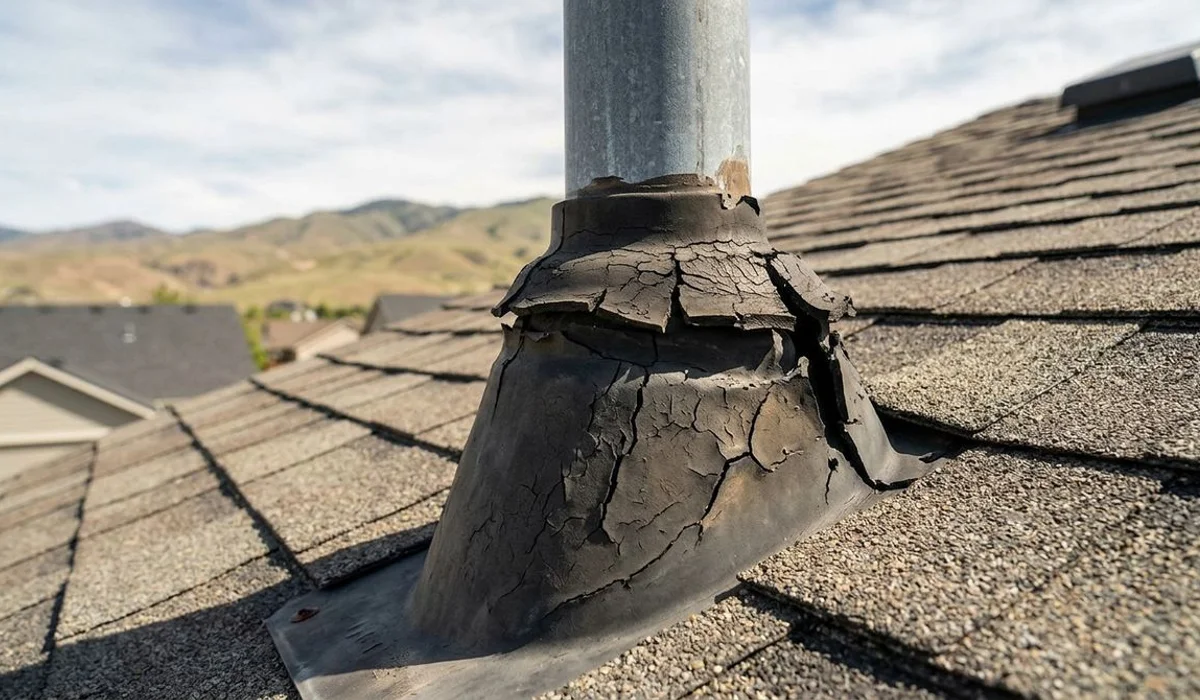
The rubber neoprene sleeves stretching around your PVC plumbing vents represent the single most common failure point on a roof. Sun exposure dry-rots these rubber collars in about 10 to 12 years. We provide a visual breakdown of your material replacement options below.
Upgrading to a permanent lead-sleeve boot eliminates this vulnerability completely. This simple upgrade provides massive long-term value for a very low initial cost. Our diagnostic process relies on three specific methodologies to pinpoint the exact failure.
| Boot Material | Average Lifespan | Common Failure Cause | Professional Recommendation |
|---|---|---|---|
| Standard Rubber | 10 to 12 Years | UV Degradation | Requires proactive replacement |
| Silicone Collar | 15 to 20 Years | Thermal Expansion Tearing | Good mid-range upgrade |
| Lead Sleeve | 30+ Years | Squirrel Damage (Rare) | Best for permanent peace of mind |
How We Diagnose a Flashing Leak
Finding the exact entry point of a roof leak is notoriously difficult. Water easily travels 10 to 20 feet along a sloped rafter before finally dripping through your ceiling drywall. We utilize FLIR thermal imaging cameras to scan the ceiling and attic spaces, showing a clear visual heat map of where cold water is actively pooling.
- High-Resolution Thermal Imaging: Standard visual checks frequently miss hidden trapped moisture. These modern 2026 infrared scans reveal exact temperature differentials. Our inspectors climb into the dark crawlspace to trace the dried water paths directly up the rafters.
- Up-Slope Attic Tracing: Finding the highest point of a water trail on a rafter pinpoints the exterior breach. Physical attic inspections remain a crucial step for verifying structural damage. We perform a systematic water test by wetting isolated 3-foot sections of the roof while a technician watches from below.
- Isolated Garden Hose Testing: Isolated garden hose testing provides absolute confirmation when leaks remain hidden. Starting from the bottom and working up ensures the exact overlapping seam is isolated. Our permanent repair protocols focus exclusively on replacing the failed structural materials.
The Right Repair vs. the Wrong Repair
The absolute wrong way to fix a leak is to cover it in cheap caulk. Unskilled handymen frequently dump a thick tube of black asphaltic roofing cement onto a problem area and call it finished. We carefully weave new step flashing pieces into the alternating shingle courses for maximum water shedding.
This temporary band-aid only buys you 6 to 18 months before the exact same leak returns. A professional repair always involves integrating new metal directly into the surrounding roofing system. Our technicians must completely pull off the old cracked boot before installing the heavy-duty replacement.
For chimneys, that means pulling up the surrounding shingles to expose the bare wood deck. Pipe boots require a similarly thorough and methodical approach. We provide written, transparent quotes before beginning any structural work on your property.
| Repair Method | Material Used | Expected Lifespan | Professional Verdict |
|---|---|---|---|
| The “Handyman” Patch | Black Asphaltic Cement | 6 to 18 Months | Temporary emergency stopgap only. |
| Surface Caulking | Standard Silicone | 1 to 3 Years | Fails quickly under UV exposure. |
| The Professional Fix | 26-Gauge Custom Metal | 15 to 30+ Years | The only permanent, code-compliant solution. |
What It Costs in 2026
Project pricing always depends on the specific material choices, roof steepness, and the extent of the underlying wood damage. Current 2026 market data for the Boise area shows that professional flashing repairs remain highly cost-effective. Our comprehensive assessments eliminate the guesswork from exterior home maintenance.
Upgrading to premium materials ensures you will not have to pay for this identical repair again. Flashing leaks almost never require a full roof replacement to fix permanently. We will find your exact leak source and provide a detailed repair strategy.
- Pipe Boot Replacement: Expect to pay $180 to $350 per vent. Upgrading to lead sleeves pushes the cost to the higher end of that spectrum.
- Skylight Flashing Re-seating: This generally costs between $400 and $800, which includes the necessary ice and water shield upgrades.
- Wall Step Flashing Repair: Replacing a localized section runs from $500 to $1,500, depending on how much siding needs to be removed.
- Complete Chimney Re-flashing: Major chimney overhauls cost $800 to $1,800. Large stone chimneys requiring complex custom mortar cuts sit at the higher end of this range.
The key is simply catching the vulnerability early and hiring a specialist who knows exactly where to look. Solving Why Flashing Failures Cause Most Boise Roof Leaks (And How We Fix Them) is completely manageable with the right expertise. Our team is ready to answer your call.
A quick phone call today could save you thousands in future drywall and framing repairs. Call (208) 545-8226 for a free 21-point diagnostic inspection.