You know how frustrating it is to search for local pricing and only find vague national averages. We see homeowners in Ada County deal with this exact problem every single day.
How Much Does a Roof Replacement Cost in Boise in 2026?
Our team at Bork Roofing Contractors receives this specific roof replacement pricing question constantly. The final price always depends on your specific square footage, material selection, roof pitch, and underlying deck condition. We will look at hard numbers, analyze what the 2026 data actually tells us, and explore a few practical ways to lower your expenses.
How Much Does a Roof Replacement Cost in Boise in 2026?
Base installation numbers for a standard 1,800 to 2,500 square foot home currently run between $12,000 and $18,000. Our 2026 market research shows that labor alone accounts for $225 to $350 per roofing square just for basic asphalt shingles. Steep pitches or large homes exceeding 30 squares often push that total up to $25,000.
These estimates cover the complete tear-off process, a full decking inspection, ice-and-water shields, synthetic underlayment, and all necessary permits. We always include starter strips, hip and ridge caps, magnetic nail sweep cleanup, and code-compliant flashing in our baseline quotes. Certain hidden issues fall outside these standard figures. Decking rot repair and major ventilation overhauls will naturally increase your final invoice.
| Home Size | Roofing Squares | Estimated Total Cost |
|---|---|---|
| Small Ranch (1,500 sq ft) | 15 to 18 Squares | $9,000 to $12,000 |
| Standard (2,000 sq ft) | 20 to 25 Squares | $12,000 to $18,000 |
| Large/Complex (3,000+ sq ft) | 35+ Squares | $20,000 to $28,000+ |
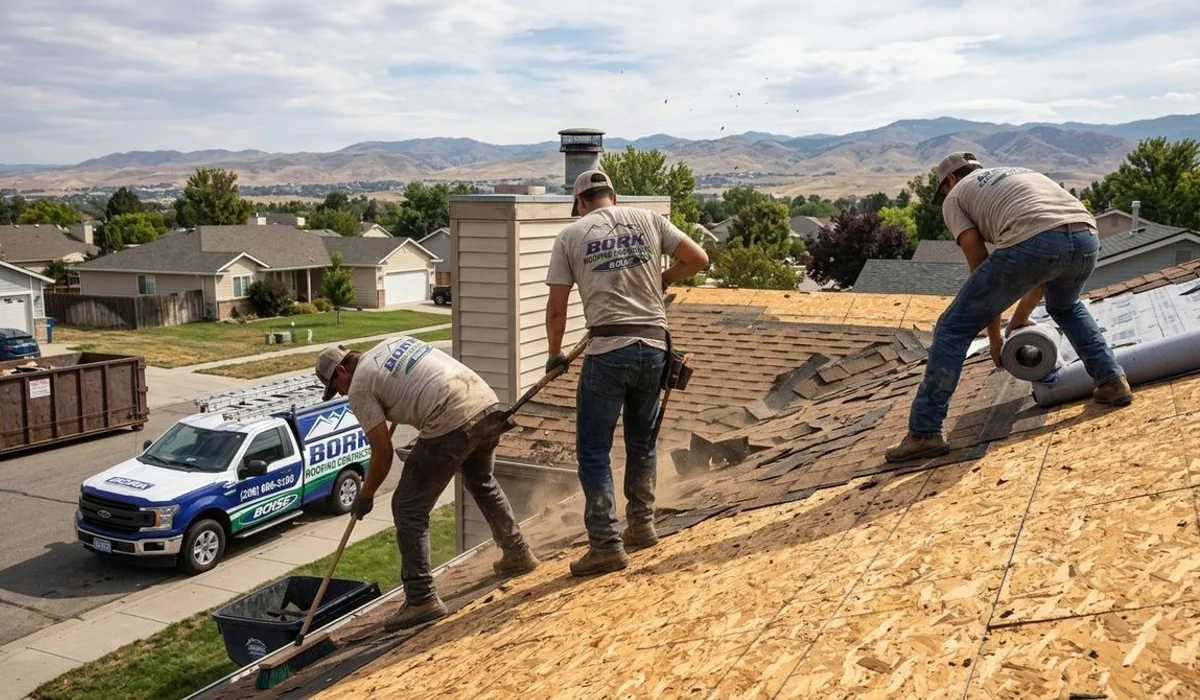
Cost by Material (Installed, Per Square Foot)
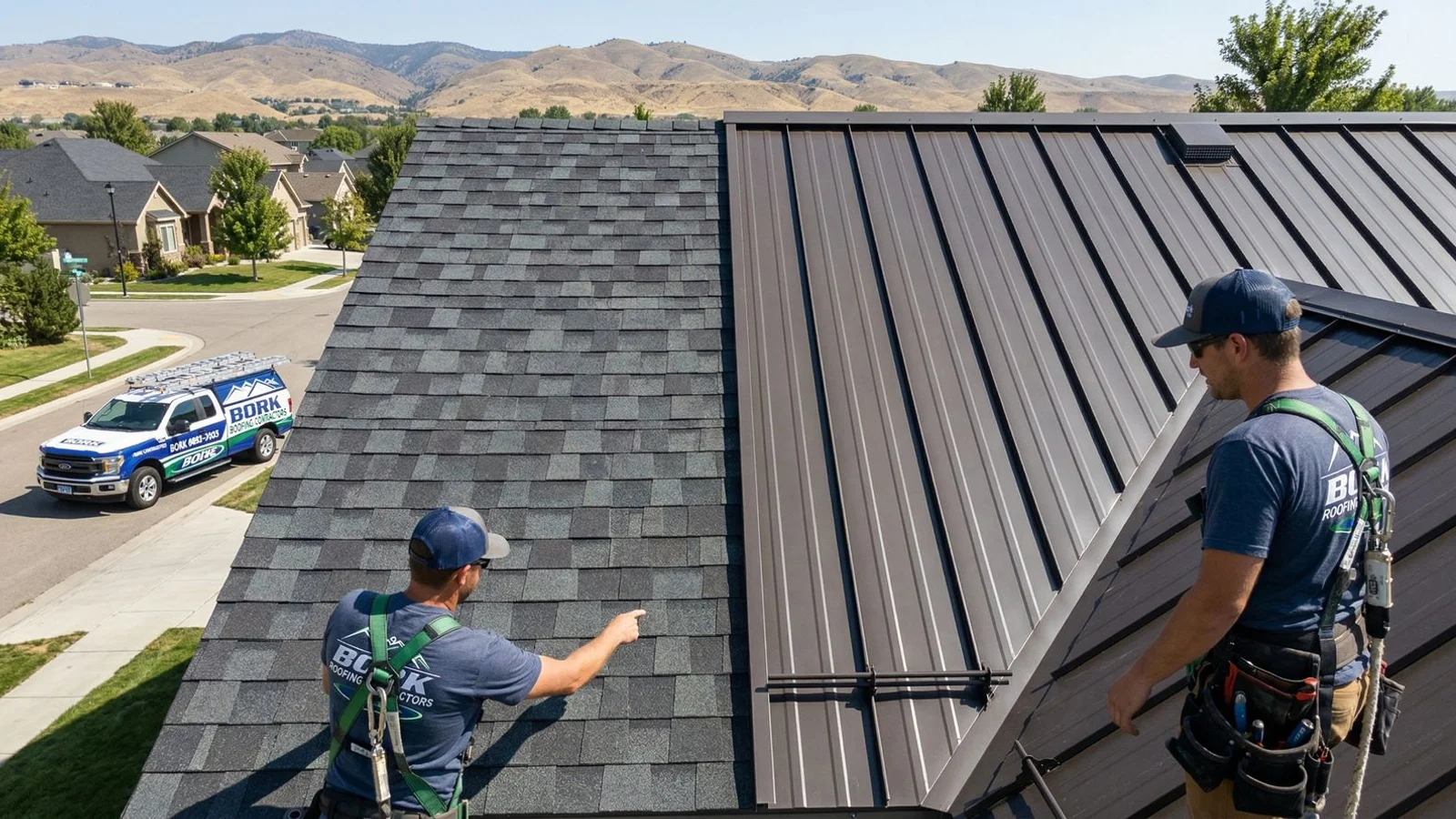
Material choice acts as the single largest variable you control during a renovation. We highly recommend architectural asphalt shingles for the majority of Treasure Valley neighborhoods. These popular systems range from $4.50 to $8.75 per square foot fully installed.
Brands like GAF Timberline HDZ feature LayerLock technology, which mechanically fuses the shingles for superior wind resistance. Our crews prefer working with these systems because they easily meet Ada County building requirements. A proper installation protects against winds up to 130 miles per hour, so consider these standard material prices before making a final decision:
- Class 4 impact-resistant shingles: Expect to pay $6.00 to $9.00 per square foot. Products like the Timberline AS II use SBS polymer-modified asphalt to withstand two-inch hail impacts.
- Stone-coated steel: Prices range from $8.50 to $13.00 per square foot. This option delivers the elegant look of tile with the rugged strength of metal.
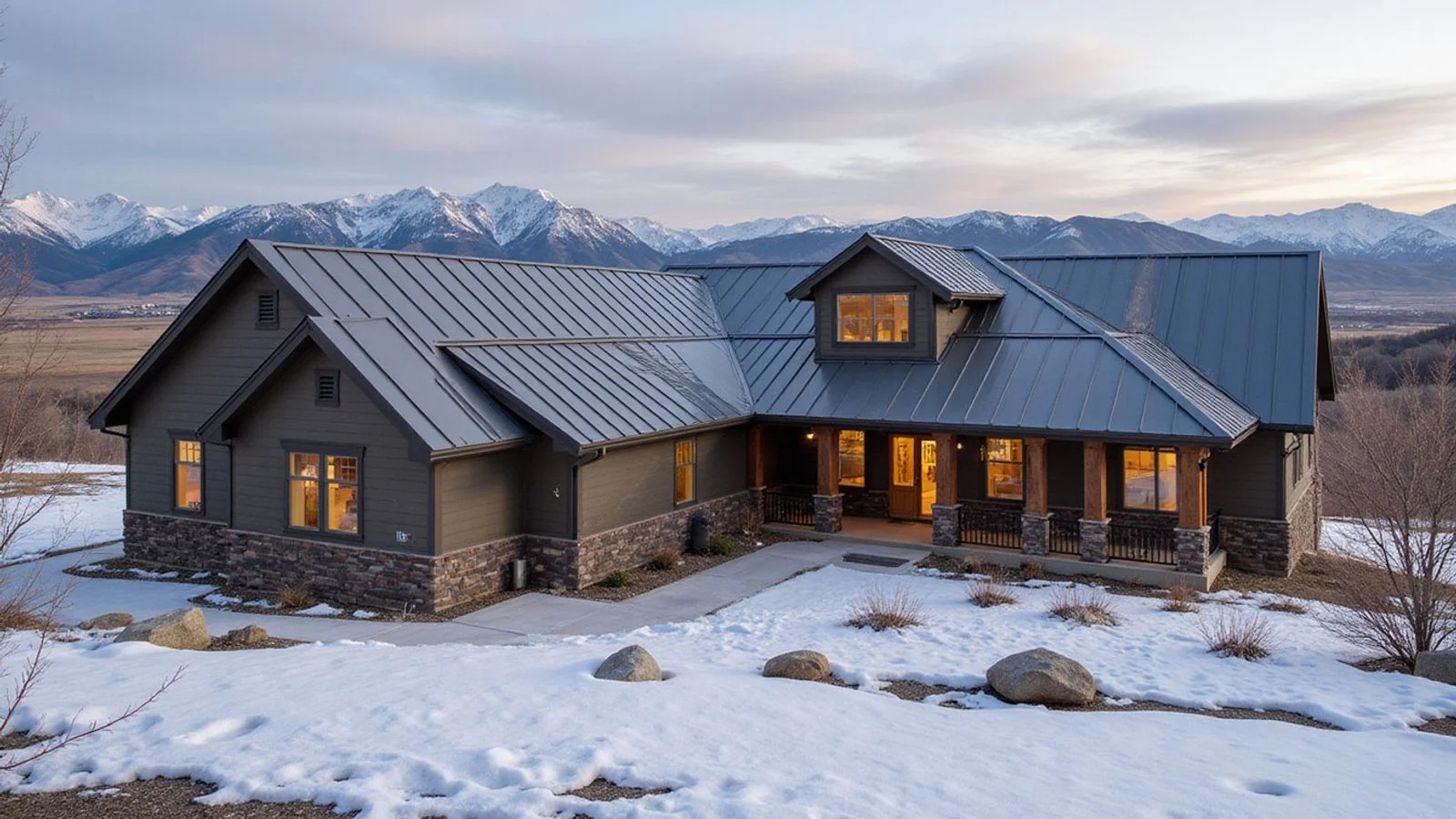
- Standing seam metal: Budget $10.00 to $16.00 per square foot. This premium system easily handles heavy snow loads in the Foothills and lasts 40 to 70 years.
- Composite or synthetic materials: Installation costs $7.00 to $12.00 per square foot. Options like DaVinci synthetic slate work beautifully on historic North End properties.
How Roof Size, Pitch, and Tear-Off Layers Change the Price
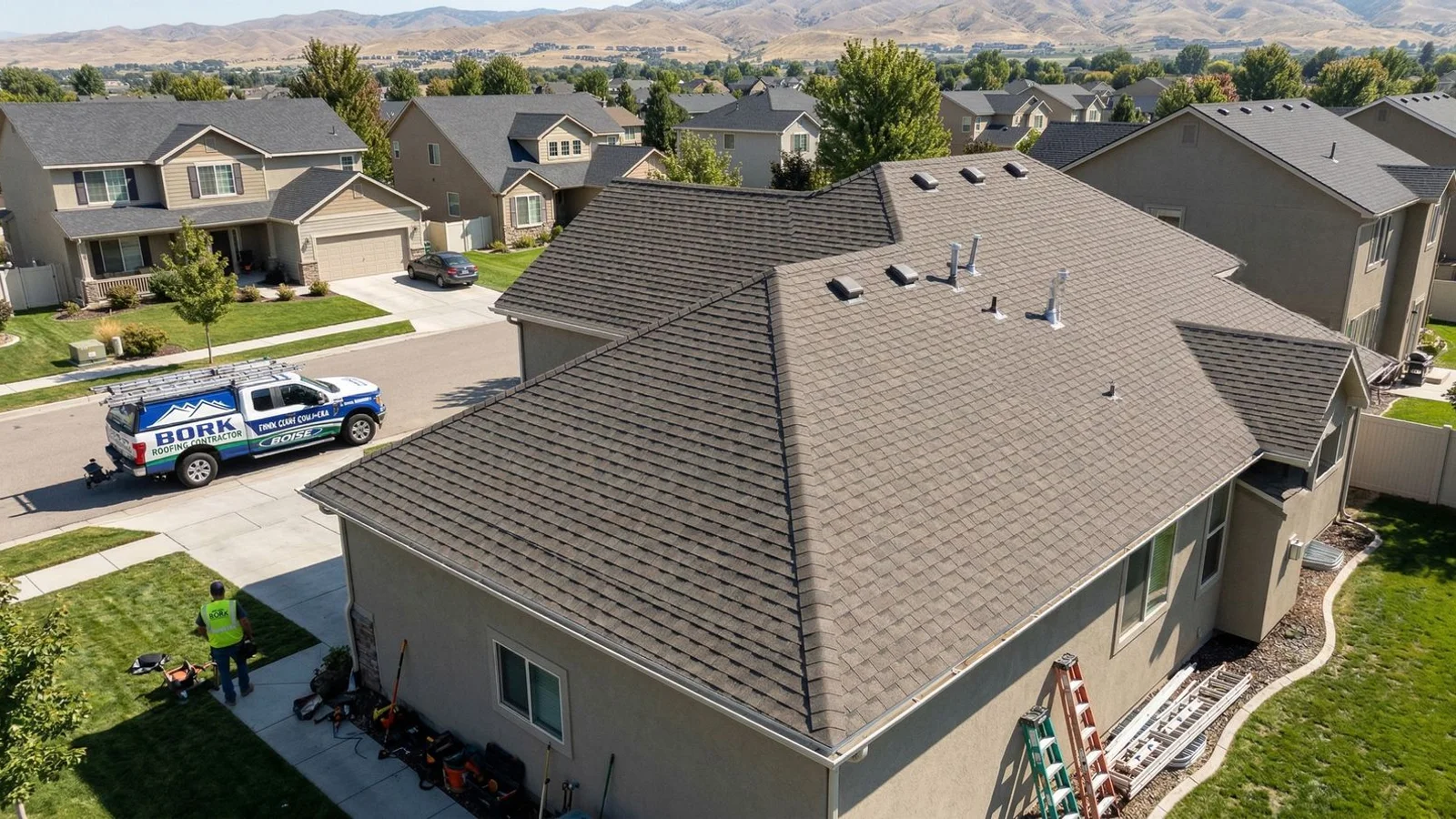
Contractors calculate material and labor using a measurement called a square, which equals a 10 by 10 foot area. Our estimators know that a simple 2,000 square foot hip roof usually measures out to 22 squares. That same footprint requires 30 squares or more if the design includes steep pitches, multiple valleys, and dormers.
Pitch acts as a massive pricing multiplier. We must deploy specialized safety equipment, scaffolding, and walk boards for anything over an 8/12 pitch. This added difficulty creates a 15% to 30% premium on your labor charges.
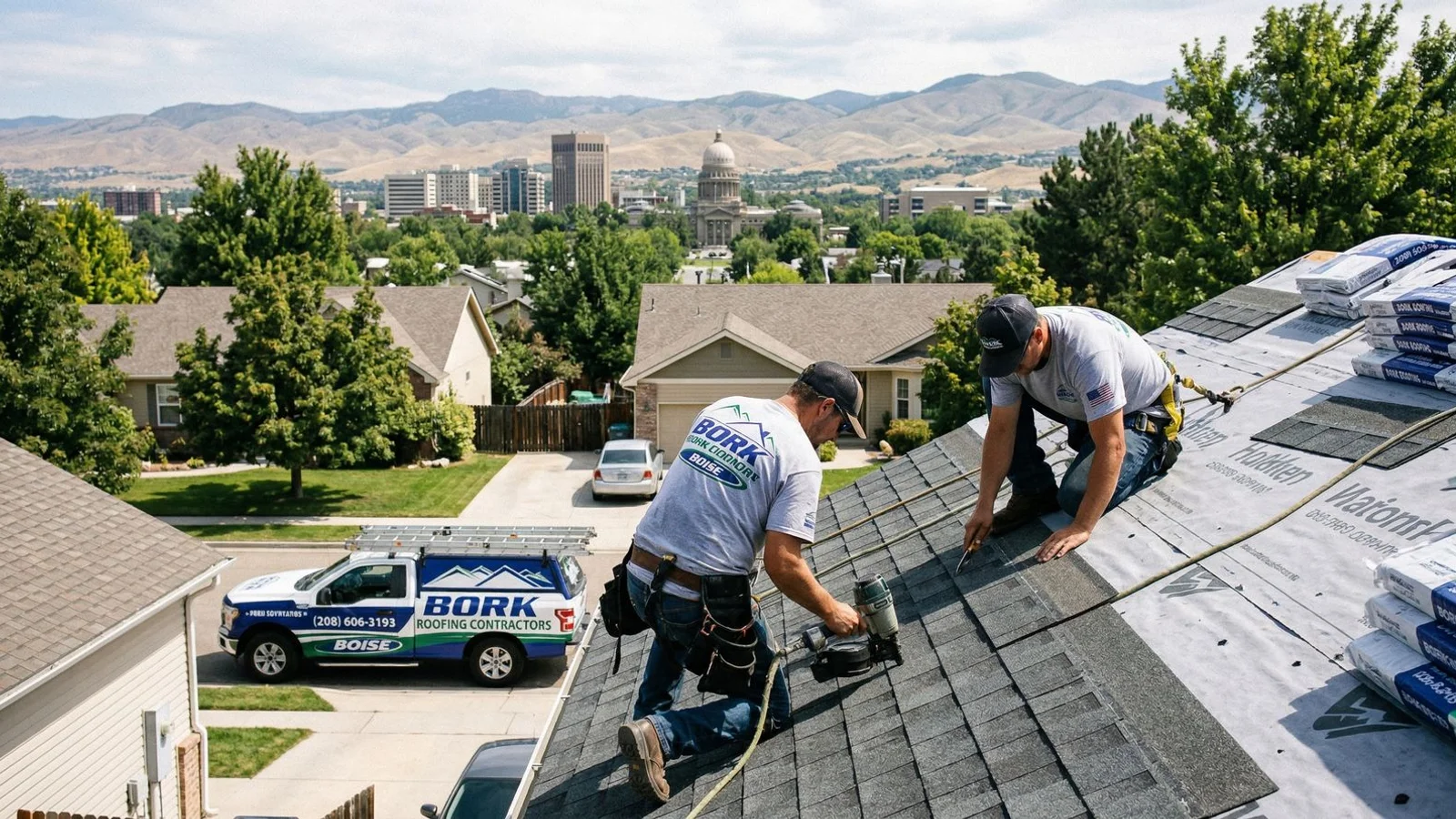
Old material removal adds another layer of expense. Our teams charge between $100 and $150 per square just for standard tear-off and dumping fees. Finding a second layer of old shingles hidden underneath the top layer practically doubles that disposal cost.
Calculating the Waste Factor
Every project generates a certain amount of scrap material during installation. We typically order 10% to 15% extra material to account for the cuts required around chimneys and valleys. Complex architectural designs demand an even higher waste factor allowance.
Hidden Costs That Show Up Mid-Project
Transparent estimates help you avoid turning a $12,000 plan into a $15,000 nightmare. Our free 21-point inspection catches most issues before anyone signs a contract. Some structural damage stays completely invisible until the tear-off phase begins.
- Decking replacement: Rotted OSB boards must be swapped out before fresh materials go down. Expect to pay $70 to $100 per replaced 4x8 sheet.
- Ventilation upgrades: The 2018 International Residential Code mandates specific minimum ventilation areas, typically a 1/150 ratio. Correcting under-sized attic ventilation costs $400 to $1,200 but prevents destructive winter ice dams.
- Chimney and skylight flashing: Old metal counter-flashing rarely survives a tear-off intact. Budget $300 to $800 per penetration for brand new flashing and high-grade sealant.
- Code upgrades: Boise requires a uniform roof snow load capacity of 25 pounds per square foot. Older homes might need structural reinforcements or extra ice-and-water shields to pass the final city inspection.
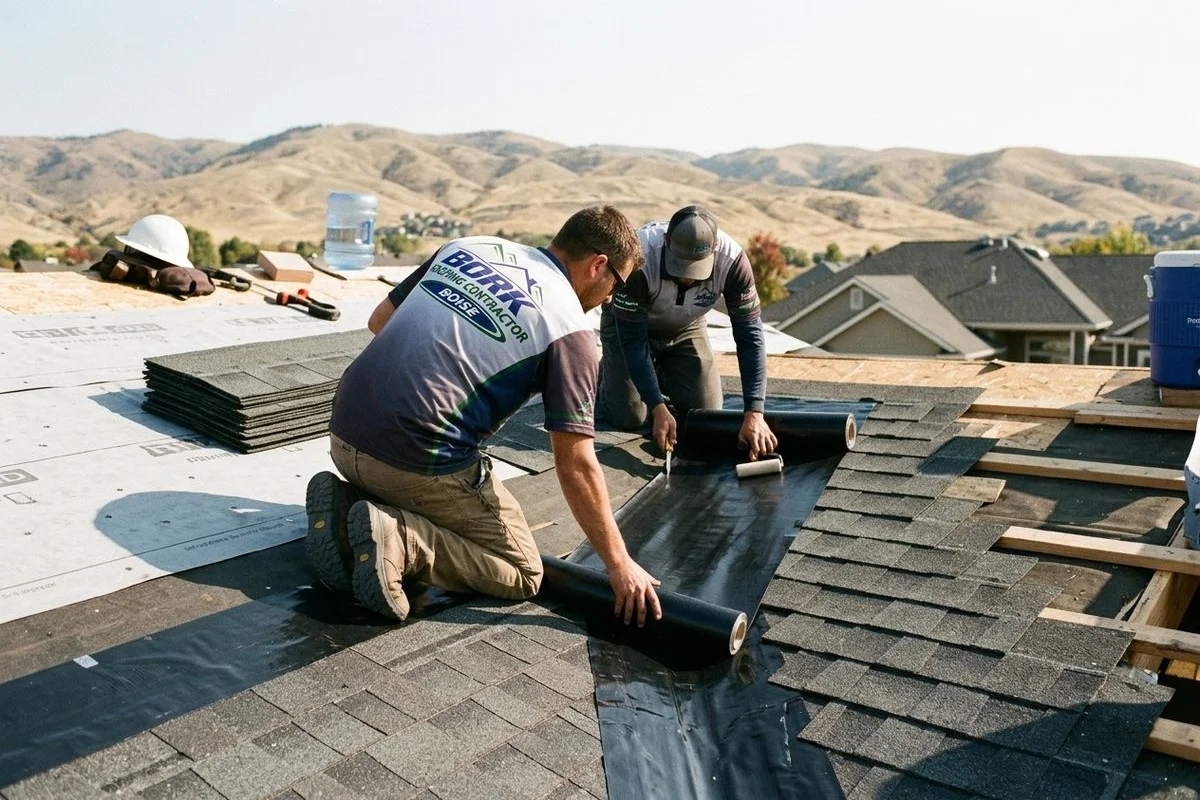
Why GAF-Certified Installations Cost More (And What You Get)
Hiring a GAF Certified contractor requires a slightly higher initial investment. Our crews undergo rigorous, continuous training to maintain this exact certification and meet strict workmanship standards. Quotes from certified teams typically land 10% to 20% higher than unverified independent roofers, but you gain total peace of mind in return.
Access to exclusive manufacturer guarantees makes the premium price tag worthwhile. We provide the Golden Pledge workmanship warranty, which protects your home against installation errors. Using four qualifying GAF accessories unlocks the WindProven Limited Wind Warranty, a specific coverage that features absolutely no maximum wind speed limitation.
| Feature | Standard Contractor | GAF Certified Contractor |
|---|---|---|
| Workmanship Coverage | 1 to 5 Years | Up to 30 Years |
| Wind Warranty | Capped at 130 mph | Unlimited (with accessories) |
| Installation Methods | Basic Guidelines | Factory-Trained Specs |
Financing and Insurance Options
Most property owners do not pay out of pocket for major exterior renovations. Our financial partners offer multiple pathways to make the expense manageable. Current 2026 interest rates and local lending programs provide excellent flexibility, so here are the three most common payment routes in Idaho:
- Insurance claims: Severe storms allow you to simply pay your deductible. The contractor handles the entire claim process from end to end.
- Home Equity Line of Credit (HELOC): Using your property’s equity often yields lower interest rates than traditional personal loans.
- Dedicated Retail Financing: Options like Hearth, Service Finance, and Greensky offer fixed-rate installment plans. Many promotions feature 0% interest periods or long-term loans starting around 6.90% to 8.99% APR.
How to Get an Accurate Quote
Online calculators only provide a rough starting point. Our inspectors must climb onto your property to deliver an accurate, line-item estimate. A thorough evaluation includes measuring dimensions, checking decking stability from the attic, and confirming ventilation ratios.
You deserve clear numbers without any high-pressure sales tactics. We deliver a detailed written estimate within 24 hours of completing the assessment. Find out exactly How Much Does a Roof Replacement Cost in Boise in 2026 by calling (208) 545-8226 or booking an appointment online today.